You brush your kids’ teeth every night. You pack healthy lunches. You enforce the two-minute timer. But gum disease doesn’t wait for perfect parenting—it sneaks in through tiny gaps in routine, showing up as “just a little bleeding” or “gums that look a bit red.” By the time it’s obvious, the damage is already underway. Catching the early signs of gum disease now means protecting your family’s smiles for decades to come.
Gum disease affects nearly half of American adults over 30, but it starts much earlier than most parents realize. Kids, teens, and young adults can all develop early-stage gum disease (gingivitis), and without intervention, it progresses into something far more serious. The good news? Gingivitis is completely reversible when you know what to look for and act quickly.
Why Gum Disease Starts Without Warning
Gum disease begins with plaque—a sticky film of bacteria that forms on teeth throughout the day. When plaque isn’t removed through brushing and Flossing Is Essential for Your Oral Health: 7 Powerful Reasons, it hardens into tartar within 24 to 72 hours. Tartar irritates the gums, triggering inflammation and infection.
What makes this process so dangerous is how quiet it is. Early-stage gum disease rarely hurts. It doesn’t keep your child up at night. It doesn’t prevent them from eating their favorite foods. It just slowly damages the tissue and bone supporting their teeth—until one day, those teeth start to loosen.
For families in Kalispell, where outdoor activities and busy schedules are part of daily life, it’s easy to let dental hygiene slip on camping weekends or during sports tournaments. But consistency matters more than perfection. Missing a few nights of flossing won’t cause gum disease—but ignoring early warning signs for months absolutely will.
7 Early Signs of Gum Disease to Watch For
1. Bleeding Gums During Brushing or Flossing
Healthy gums don’t bleed. If you notice pink in the sink after your child brushes, or blood on the floss, that’s your first red flag. Many parents assume this is normal or that their child is “brushing too hard,” but bleeding gums are one of the earliest and most reliable indicators of gingivitis.
The inflammation caused by plaque makes gum tissue fragile and prone to bleeding with even gentle contact. Addressing this early—through better home care and a professional cleaning—can stop the progression completely.
2. Red, Swollen, or Puffy Gums
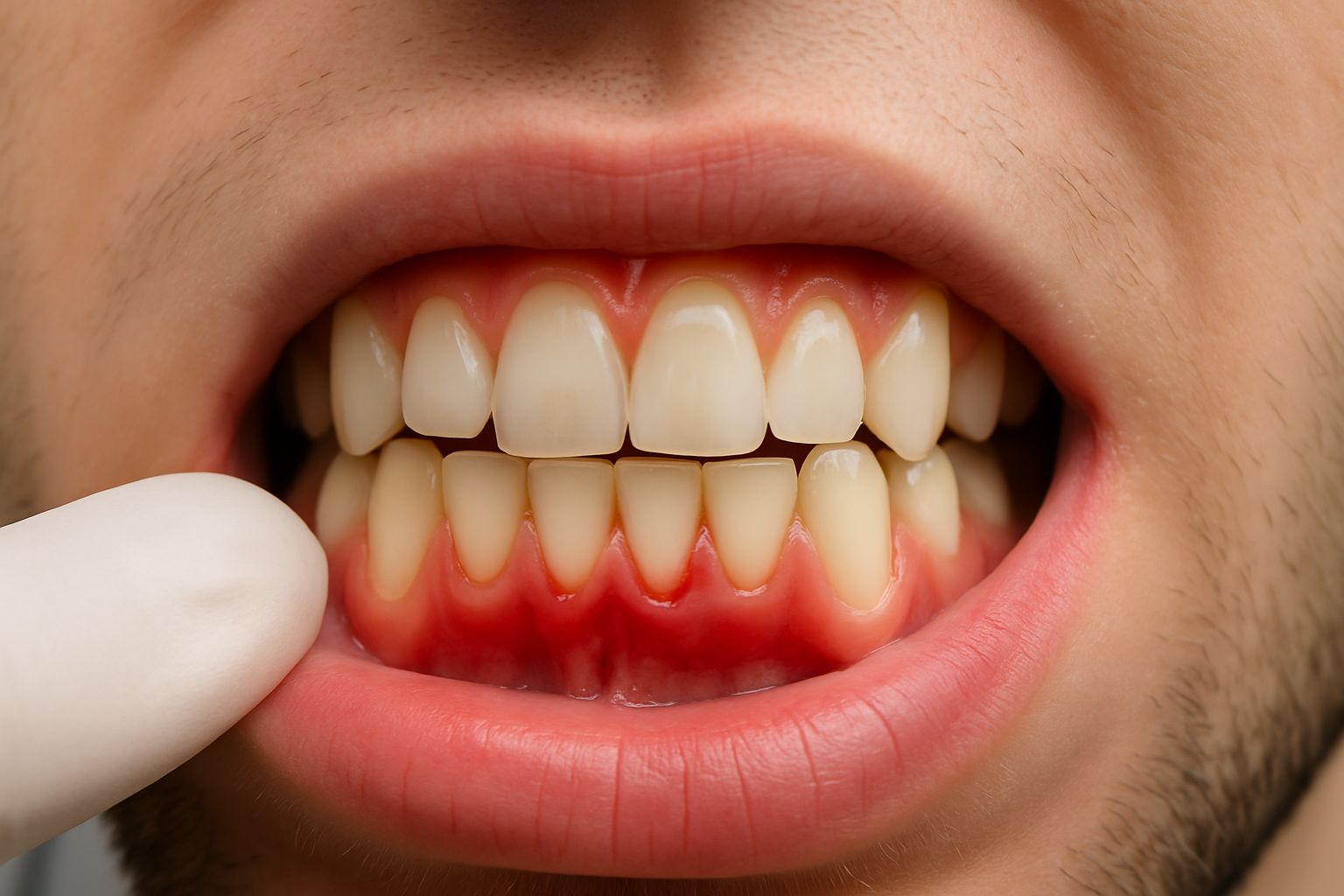
Healthy gums are pale pink and firm. When gum disease begins, they become red, swollen, and tender to the touch. You might notice your child wincing when flossing or avoiding certain areas of their mouth during brushing.
This swelling is the body’s inflammatory response to bacterial infection. Left untreated, the inflammation becomes chronic, leading to tissue breakdown and eventually bone loss.
3. Persistent Bad Breath That Doesn’t Go Away
Morning breath is normal. Bad breath that lingers throughout the day—even after brushing—is not. Chronic bad breath (halitosis) is often caused by the same bacteria responsible for gum disease. These bacteria release sulfur compounds as they break down food particles and dead cells in the mouth.
If your child’s breath smells sour or unpleasant despite good oral hygiene, Gum Disease Phases: How To Prevent Them may already be in motion. A professional evaluation can determine whether gum disease is the cause or if another issue is at play.
4. Gums That Pull Away From Teeth
As gum disease progresses, the tissue begins to pull back from the tooth surface, creating small pockets where bacteria can thrive. In early stages, this recession might only be visible during a dental exam, but you can sometimes spot it at home.
Look for teeth that appear longer than they used to, or gum lines that seem uneven. Once recession begins, it doesn’t reverse on its own—professional treatment is necessary to prevent further damage.
5. Sensitivity to Hot, Cold, or Sweet Foods
When gums recede, they expose the tooth’s root surface, which isn’t protected by enamel. This leads to increased sensitivity, especially to temperature changes and sugary foods.
If your child suddenly complains that ice cream hurts or avoids drinking cold water, don’t dismiss it as a minor inconvenience. Sensitivity can be an early warning sign that gum tissue is compromised.
6. Changes in Bite or Tooth Alignment
Advanced gum disease affects the bone supporting teeth, but even early-stage disease can cause subtle shifts. If your child mentions that their teeth “feel different” when they bite down, or if you notice gaps appearing where there weren’t any before, schedule a dental visit immediately.
Bone loss accelerates quickly once it begins. Catching it early gives your dentist the best chance of stabilizing the situation before permanent damage occurs.
7. Gums That Feel Tender or Painful
Gum disease doesn’t always hurt, but when it does, the discomfort is usually concentrated along the gum line. Your child might describe a dull ache, tenderness when chewing, or a feeling of pressure in their gums.
Pain indicates that inflammation has progressed beyond the superficial stage. Don’t wait for it to get worse—early intervention can prevent the need for more invasive treatments down the road.
What Causes Gum Disease in Kids and Teens?
Gum disease isn’t just an adult problem. Several factors put younger family members at risk:
- Inconsistent oral hygiene: Skipped brushing sessions and infrequent flossing allow plaque to accumulate rapidly.
- Sugary diets: Frequent snacking on candy, soda, and processed foods feeds the bacteria that cause gum disease.
- Mouth breathing: Chronic mouth breathing dries out gum tissue, making it more vulnerable to infection.
- Orthodontic appliances: Braces and retainers create more places for plaque to hide, increasing risk if cleaning isn’t thorough.
- Hormonal changes: Puberty increases blood flow to gum tissue, making it more reactive to plaque and more prone to inflammation.
Even one or two of these factors can tip the balance toward gum disease. That’s why prevention isn’t about being perfect—it’s about being consistent and catching problems early. Many families unknowingly engage in 8 Bad Habits That Harm Your Oral Health (And How to Break Them), and breaking those patterns makes all the difference.
How to Reverse Early Gum Disease at Home
If you’ve spotted one or more early signs of gum disease in your child, don’t panic. Gingivitis is reversible with the right approach:
Brush twice daily for two minutes. Use a soft-bristled toothbrush and fluoride toothpaste. Focus on the gum line, where plaque accumulates most.
Floss every single day. Brushing alone can’t reach the 40% of tooth surfaces between teeth. Flossing removes plaque and food particles from these critical areas.
Rinse with an antimicrobial mouthwash. Look for products containing chlorhexidine or essential oils, which reduce bacteria and soothe inflamed gums. Ask your dentist for recommendations suitable for your child’s age.
Limit sugary snacks and drinks. Frequent sugar exposure feeds harmful bacteria. Encourage water between meals and save treats for designated times.
Schedule a professional cleaning. Even with excellent home care, tartar can only be removed by a dental professional. Get Your Spring Dental Cleaning at Lockwood Family Dental to reset your family’s oral health and get personalized guidance on improving your routine.
When to See a Dentist About Gum Disease
Some situations require professional intervention right away. See your dentist if:
- Bleeding persists for more than a week despite improved brushing and flossing
- Gums are visibly swollen or painful
- Bad breath doesn’t improve with better oral hygiene
- You notice any gum recession or changes in tooth position
- Your child complains of persistent sensitivity or discomfort
For families dealing with dental anxiety—whether it’s a nervous child or a parent who dreads the dentist—modern options can help. Overcome Dental Anxiety with Sedation Dentistry and make professional care accessible for everyone in your household.
Protecting Your Family’s Gums Long-Term
Preventing gum disease isn’t about one-time heroics. It’s about building sustainable habits that your family can maintain year-round. In Kalispell, where families balance school, work, sports, and outdoor adventures, that means creating systems that work even when life gets hectic.
Keep floss and toothbrushes in visible places. Set phone reminders for bedtime brushing. Make dental checkups a regular part of your family’s calendar, just like annual physicals or back-to-school appointments.
Most importantly, model good habits yourself. Kids who see their parents flossing every night and prioritizing dental visits are far more likely to do the same. Your commitment to oral health today shapes their relationship with their smile for decades to come.
Catch It Early, Stop It Fast
The early signs of gum disease are easy to miss—but once you know what to look for, they’re impossible to ignore. Bleeding gums, redness, bad breath, and sensitivity are your family’s early warning system. They’re also your opportunity to reverse damage before it becomes permanent.
At Parkway Family Dental in Kalispell, we help families recognize, treat, and prevent gum disease at every stage. Whether you’re dealing with a child’s first case of gingivitis or want to establish a prevention plan for your whole household, we’re here to guide you. Schedule an appointment today and give your family the foundation for a lifetime of healthy smiles.
Frequently Asked Questions
What are the first signs of gum disease in children?
The earliest signs include bleeding gums during brushing or flossing, red or swollen gums, and persistent bad breath that doesn’t improve with brushing. These symptoms indicate gingivitis, the mildest form of gum disease, which is completely reversible with improved oral hygiene and professional care.
Can gum disease go away on its own?
Early-stage gum disease (gingivitis) can be reversed with consistent brushing, daily flossing, and professional cleanings, but it won’t disappear without intervention. Once gum disease progresses to periodontitis, the damage becomes permanent and requires ongoing professional management to prevent further bone and tissue loss.
How often should my child see a dentist to prevent gum disease?
Most children should visit the dentist every six months for cleanings and checkups. If your child has early signs of gum disease, shows risk factors like inconsistent brushing, or wears braces, your dentist may recommend more frequent visits—typically every three to four months—to monitor gum health closely.
Is bleeding when flossing always a sign of gum disease?
Yes, healthy gums should not bleed during flossing. Bleeding indicates inflammation caused by plaque buildup along the gum line. While it may seem minor, it’s the body’s way of signaling that bacteria are irritating the gum tissue and that intervention is needed to prevent progression.
Can braces cause gum disease in teens?
Braces don’t cause gum disease directly, but they make thorough cleaning more difficult, increasing the risk. Brackets and wires create additional surfaces where plaque can accumulate. Teens with braces need to be especially diligent about brushing after every meal, flossing with specialized tools, and keeping up with regular dental cleanings.