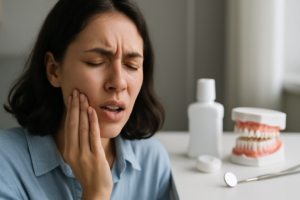
As a small business owner, you know that emergencies don’t follow a schedule. Neither do dental problems. When a team member experiences severe tooth pain or facial swelling, knowing the signs you need immediate dental care can mean the difference between saving a tooth and facing a costly, lengthy recovery that impacts your entire team’s productivity.
Let’s be honest: dental emergencies are inconvenient, uncomfortable, and often expensive. But ignoring warning signs can turn a manageable situation into a business disruption that affects not just one employee, but your entire operation. Understanding when to seek emergency dental care helps you make informed decisions that protect both your team’s health and your bottom line.
Why Business Owners Should Care About Dental Emergency Recognition
Before we dive into specific warning signs, consider this: the average dental emergency costs significantly less when treated promptly. Delayed treatment can lead to extended absences, reduced productivity, and higher healthcare costs—all factors that directly impact your business operations. That’s why preventing dental emergencies should be part of your workplace wellness strategy.
When your employees can recognize serious symptoms early, they seek treatment faster, recover quicker, and return to work sooner. It’s not just about individual health—it’s smart business management.
7 Signs You Need Immediate Dental Care
1. Severe, Unrelenting Tooth Pain
Mild toothaches might wait until regular business hours, but severe pain that doesn’t respond to over-the-counter medication requires immediate attention. This type of pain often indicates infection, abscess, or significant decay that’s reached the tooth’s nerve. In Montana’s rural areas where access to emergency care might require travel, don’t delay when pain becomes unbearable.
2. Swelling in the Face, Jaw, or Neck
Facial swelling is never normal and always warrants immediate care. It can indicate a serious infection that’s spreading beyond the tooth. If accompanied by fever, difficulty breathing, or trouble swallowing, seek emergency room care immediately—this could be a life-threatening situation.
Dental infections don’t respect weekends or holidays, and they certainly don’t wait for convenient timing. Your dental emergency kit essentials should include the contact information for after-hours emergency dental services.
3. Knocked-Out or Loosened Teeth
Workplace accidents happen, especially in Montana’s agriculture, construction, and outdoor recreation industries. A knocked-out permanent tooth is a genuine emergency with a ticking clock—you have roughly 30 minutes to an hour for the best chance of successful re-implantation.
If you run a business where physical activity is common, ensuring your team uses proper protection is essential. Whether it’s the best mouthguard for sports Montana activities or safety protocols for protecting teeth during winter activities, prevention is your first line of defense.
4. Uncontrolled Bleeding
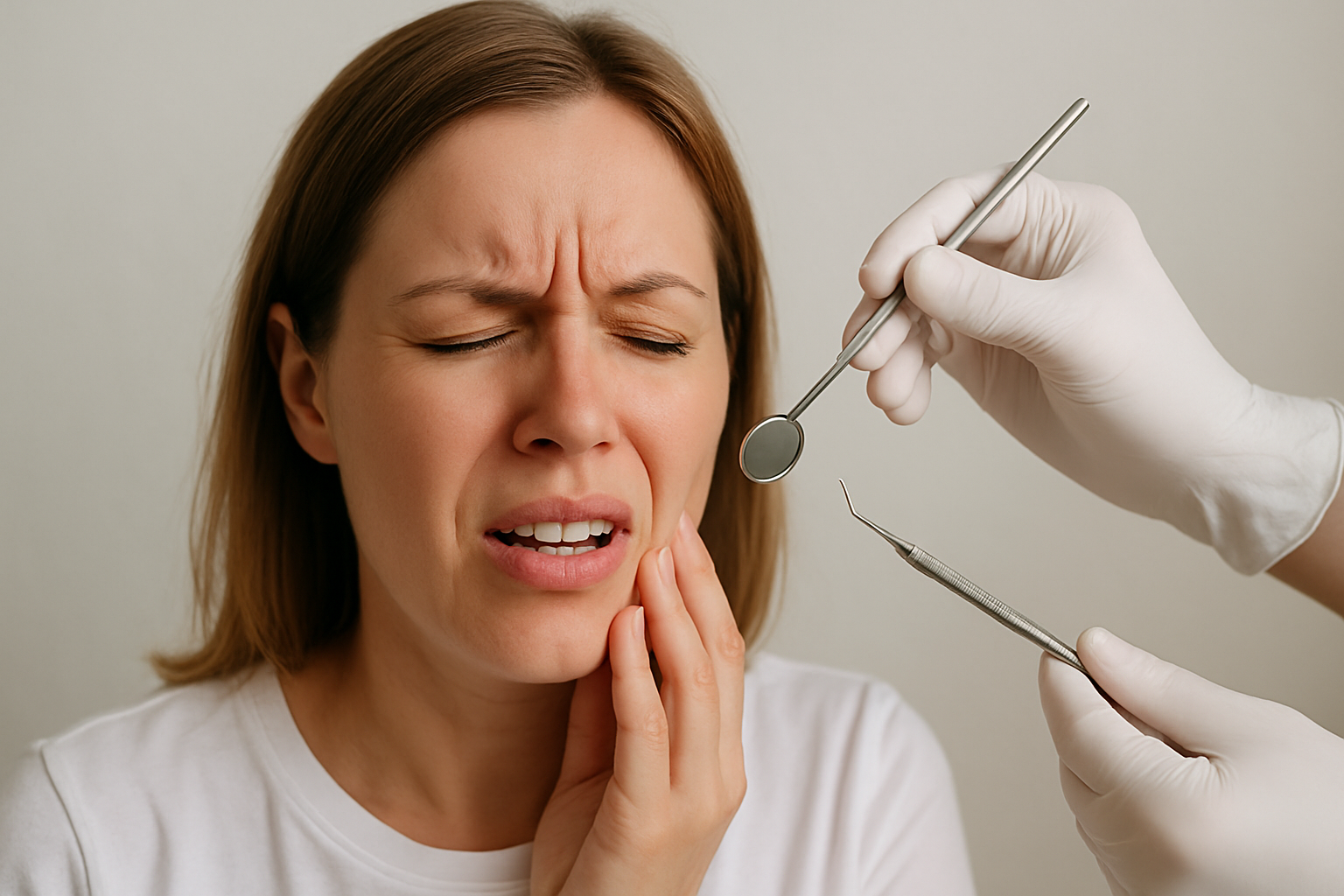
Minor bleeding from gums during flossing isn’t an emergency, but bleeding that won’t stop after 10-15 minutes of applied pressure requires immediate professional care. This could indicate gum disease, injury, or other serious conditions that need expert intervention.
5. Signs of Dental Abscess
A dental abscess is a pocket of pus caused by bacterial infection. Warning signs include:
- Persistent, throbbing toothache
- Sensitivity to hot and cold temperatures
- Fever
- Swollen, tender lymph nodes under your jaw or in your neck
- A foul taste in the mouth
- Visible pimple-like swelling on the gums
Abscesses won’t heal on their own and require professional drainage and treatment. They’re often the result of untreated decay, which is why regular dental checkups prevent emergencies like these from developing in the first place.
6. Broken or Cracked Teeth with Sharp Edges
While not all chips or cracks constitute emergencies, broken teeth with sharp edges that cut your tongue or cheek, or fractures that expose the tooth’s nerve (causing severe pain), need prompt attention. The crack can deepen, the tooth can become infected, and damage can spread.
Interestingly, many dental fractures stem from seemingly innocent activities—like chewing ice or hard candy. Being mindful of foods that cause dental emergencies can help your team avoid these painful situations.
7. Lost Fillings or Crowns with Pain
A lost filling or crown exposes vulnerable tooth structure to bacteria, temperature changes, and further damage. If accompanied by pain or sensitivity, don’t wait—the exposed area can quickly develop decay or infection. Even without pain, seeing a dentist within 24-48 hours prevents complications.
Creating an Emergency Response Plan for Your Business
Smart business owners don’t just react to emergencies—they prepare for them. Consider these steps:
- Identify emergency dental providers: Know which Billings-area dentists offer after-hours emergency services before you need them.
- Educate your team: Share this information during safety meetings so everyone recognizes critical warning signs.
- Stock first aid supplies: Include dental-specific items in your workplace first aid kit.
- Review your benefits: Ensure your team understands their dental coverage for emergency situations.
The Bottom Line on Dental Emergencies
Recognizing signs you need immediate dental care isn’t just about avoiding discomfort—it’s about protecting your team’s health and your business’s productivity. When in doubt, err on the side of caution. A quick call to a dental professional can help you determine whether a situation truly requires emergency care or can wait for a regular appointment.
Remember, the best emergency is the one that never happens. Investing in preventive care, proper safety equipment, and employee education pays dividends in reduced downtime, lower healthcare costs, and a healthier, more productive workforce. Your team’s dental health is an investment in your business’s success.