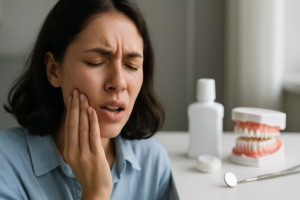
You’re not alone if the thought of sitting in a dental chair makes your heart race. Dental anxiety affects millions of adults, and recognizing the warning signs is the first step toward getting the care you deserve without the overwhelming stress.
Many parents in Kalispell notice their own anxiety around dental visits while trying to set a good example for their children. Understanding what dental anxiety looks like in adults helps you address it head-on—for yourself and your family’s long-term oral health.
Table of Contents
- Physical Symptoms That Signal Dental Anxiety
- Behavioral Patterns and Avoidance
- Emotional and Psychological Responses
- How Dental Anxiety Affects Your Overall Health
- Recognizing When Anxiety Becomes Severe
- What to Do If You Recognize These Signs
Physical Symptoms That Signal Dental Anxiety
Your body often sounds the alarm before your mind fully registers dental anxiety. These physical reactions are real, measurable responses that deserve attention.
Racing Heart and Elevated Blood Pressure
Notice your pulse quickening when you schedule an appointment or pull into the dental office parking lot? This cardiovascular response is one of the most common signs of dental anxiety in adults. Some people experience heart palpitations days before their scheduled visit.
Sweating and Trembling
Excessive sweating—especially in your palms or forehead—coupled with visible shaking or trembling hands points to heightened anxiety. These symptoms may intensify as your appointment time approaches.
Nausea and Digestive Discomfort
Feeling queasy or experiencing stomach pain before dental visits isn’t uncommon. Some adults skip breakfast on appointment days because they feel too nauseated to eat, which can actually make anxiety symptoms worse.
Difficulty Breathing
Shortness of breath, rapid breathing, or feeling like you can’t get enough air are telltale anxiety indicators. This can happen in the waiting room or even when thinking about dental work days in advance.
Behavioral Patterns and Avoidance
How you act around dental appointments reveals a lot about underlying anxiety. These behavioral signs often develop gradually over time.
Chronic Appointment Cancellations
Do you frequently reschedule or cancel dental appointments at the last minute? Finding excuses—work conflicts, family obligations, feeling under the weather—is a classic avoidance behavior tied to dental anxiety.
Years Between Dental Visits
Going years without seeing a dentist, even when you know you need care, is perhaps the strongest behavioral sign. Many anxious adults only seek treatment when facing a dental emergency, which often makes the experience more stressful. This avoidance can lead to serious issues like periodontal problems that require more extensive treatment.
Difficulty Sleeping Before Appointments
Tossing and turning the night before a dental visit, or waking up repeatedly thinking about the appointment, signals significant anxiety. Some adults report losing sleep for multiple nights leading up to their scheduled care.

Excessive Worrying and Overthinking
Spending hours researching procedures, imagining worst-case scenarios, or constantly asking family members about their dental experiences shows anxiety at work. This mental rehearsal of negative outcomes keeps anxiety cycling.
Emotional and Psychological Responses
The emotional dimension of dental anxiety manifests in distinct ways that affect your mental well-being.
Feeling Overwhelmed or Panicked
A sense of being completely overwhelmed by the idea of dental treatment—even routine cleanings—indicates anxiety rather than simple nervousness. True panic attacks in dental settings involve intense fear that peaks within minutes.
Crying or Becoming Emotional
Tearing up when discussing dental visits or feeling unexplained sadness about upcoming appointments reflects deep-seated anxiety. Many adults feel embarrassed by these reactions, which can deepen the cycle of avoidance.
Irritability and Mood Changes
Becoming short-tempered, snapping at family members, or experiencing mood swings in the days surrounding dental appointments points to underlying stress and anxiety.
Fear of Judgment
Worrying excessively about what the dentist will think of your teeth, fearing criticism for gaps in care, or feeling ashamed about your oral health are psychological signs of dental anxiety that keep many adults from seeking needed treatment.
How Dental Anxiety Affects Your Overall Health
Recognizing signs of dental anxiety in adults matters because untreated anxiety doesn’t just affect your appointments—it impacts your whole-body wellness.
Avoiding dental care allows minor issues to become major problems. What starts as a small cavity can progress to root canal needs or tooth loss. Research shows that healthy teeth positively affect your overall health, connecting oral wellness to heart health, diabetes management, and immune function.
Parents who avoid dental care due to anxiety often unconsciously model this behavior for their children, potentially creating a generational cycle of dental fear and poor oral health outcomes.
The stress of living with dental anxiety also takes a toll—chronic stress affects sleep quality, relationships, and daily functioning. Many adults describe feeling a constant low-level worry about their teeth, even when not facing an immediate appointment.
Recognizing When Anxiety Becomes Severe
While mild nervousness about dental visits is common, some signs indicate anxiety that requires professional support beyond standard dental care.
Severe dental anxiety may include:
- Full panic attacks with intense physical symptoms when thinking about or attending dental appointments
- Complete inability to enter a dental office, even for emergencies
- Intrusive thoughts about dental procedures that interfere with daily life
- Physical illness (vomiting, severe headaches) triggered by dental-related stress
- Avoiding all healthcare providers due to association with dental settings
If you recognize these severe patterns, you may benefit from working with both a mental health professional and a dentist who specializes in treating anxious patients. The compassionate team at Parkway Family Dental understands these challenges and offers approaches designed specifically for anxious adults.
What to Do If You Recognize These Signs
Identifying signs of dental anxiety in adults is empowering—it means you can take concrete steps toward better oral health without the overwhelming stress.
Start With Honest Communication
Call a dental office and explain your anxiety before booking. Many practices in Kalispell, including family-focused clinics, have experience helping anxious patients and can schedule extra time, offer morning appointments when you’re less fatigued, or discuss sedation options.
Consider a Consultation Visit
Schedule a no-treatment consultation where you simply meet the dentist, see the office, and discuss your concerns. This low-pressure introduction helps reduce fear of the unknown.
Bring Support
Having a trusted family member or friend accompany you to appointments can significantly reduce anxiety. They can provide distraction, hold your hand, or help you communicate with staff if you feel overwhelmed.
Focus on Prevention
Good home care reduces the likelihood of needing extensive dental work, which can ease anxiety. Teaching your children proper brushing and flossing—as outlined in resources about preventing cavities—also helps you maintain your own routine and models positive behavior.
Explore Relaxation Techniques
Deep breathing exercises, progressive muscle relaxation, and visualization can help manage physical symptoms during appointments. Some patients find that listening to music or podcasts through headphones creates a helpful distraction.
Remember that dental professionals want to help, not judge. Modern dentistry offers numerous options for anxious patients, from gentle communication approaches to sedation dentistry. Your oral health affects everything from your ability to eat comfortably to your confidence in social situations—it’s worth addressing the anxiety that stands between you and the care you deserve.
Taking the first step is often the hardest part. If you’ve recognized signs of dental anxiety in yourself, know that you’re making a powerful choice by acknowledging it. Reach out to Parkway Family Dental in Kalispell to discuss how we can make your dental experience more comfortable and help you overcome the barriers that have kept you from optimal oral health.
Frequently Asked Questions
What are the most common signs of dental anxiety in adults?
The most common signs include racing heart, sweating, nausea, difficulty breathing, frequent appointment cancellations, years between dental visits, trouble sleeping before appointments, and feeling overwhelmed or panicked when thinking about dental care. Both physical and behavioral symptoms often occur together.
Is it normal to feel anxious about dental appointments as an adult?
Mild nervousness before dental appointments is very common and normal. However, if anxiety prevents you from attending appointments, causes severe physical symptoms, or leads to years of avoiding dental care, it goes beyond normal nervousness and may require specific strategies or professional support to manage.
Can dental anxiety cause physical symptoms days before an appointment?
Yes, dental anxiety can trigger physical symptoms days or even weeks before a scheduled appointment. Many adults experience sleep disturbances, digestive issues, elevated heart rate, and increased stress levels in anticipation of dental visits, even for routine cleanings.
How does avoiding the dentist due to anxiety affect my health?
Avoiding dental care allows small problems to become serious issues requiring more extensive treatment. Untreated oral health problems are linked to heart disease, diabetes complications, and infections. Additionally, living with chronic dental anxiety creates ongoing stress that affects your overall mental and physical well-being.
What should I do if I recognize severe dental anxiety in myself?
Start by calling a dental office and honestly explaining your anxiety before booking an appointment. Ask about options for anxious patients, including sedation dentistry, longer appointment times, or consultation-only visits. Consider bringing a support person with you and exploring relaxation techniques. For severe cases, working with both a mental health professional and an understanding dentist may be beneficial.